River Reimagined
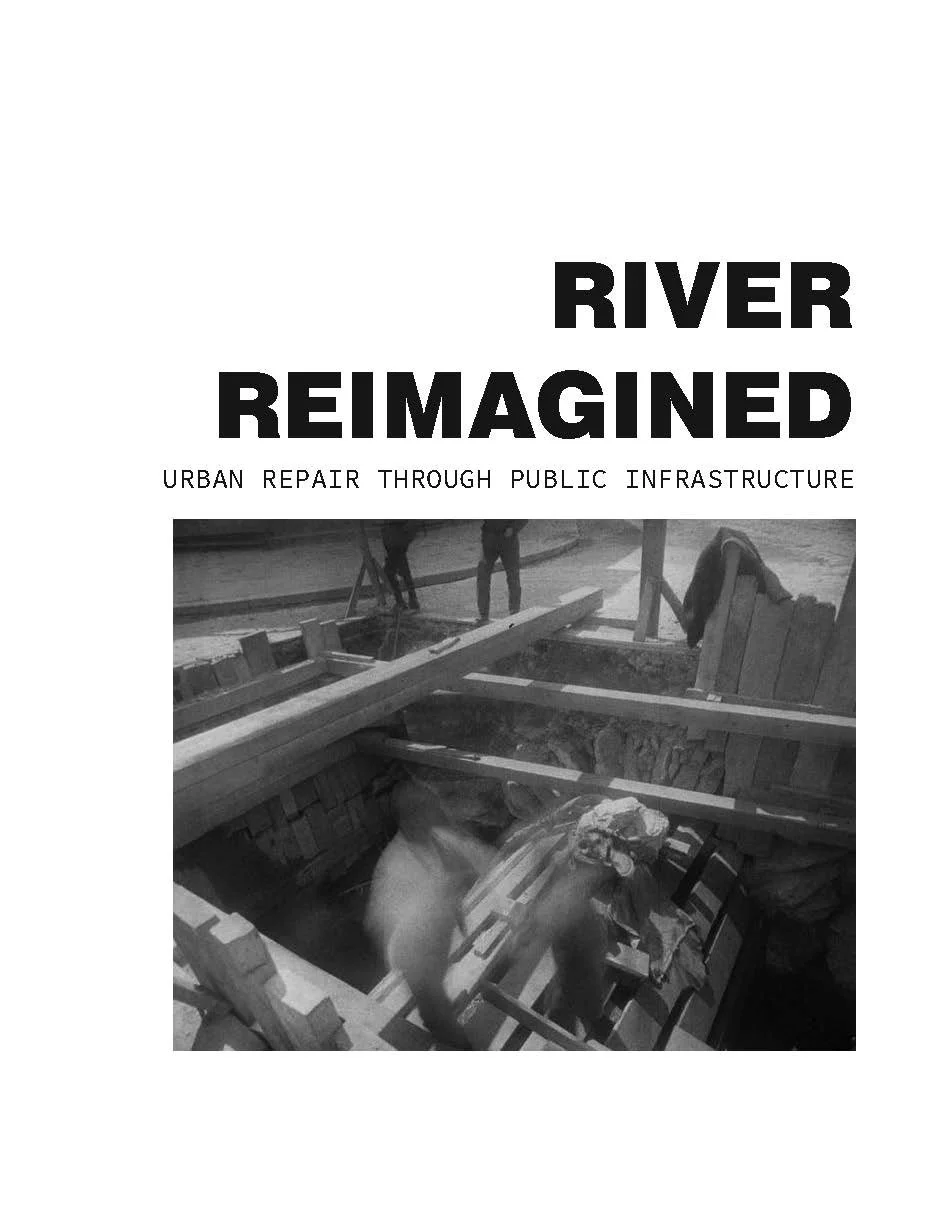
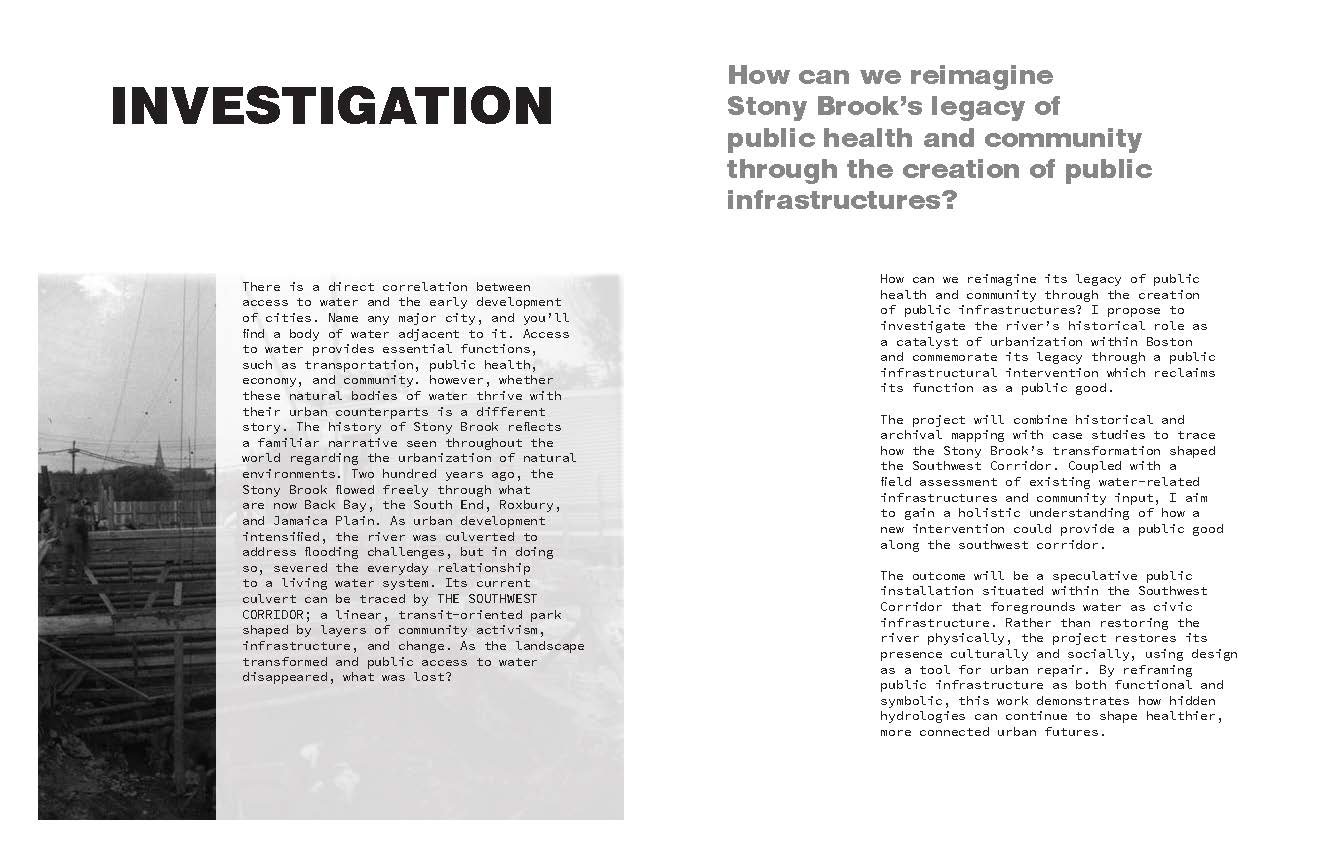
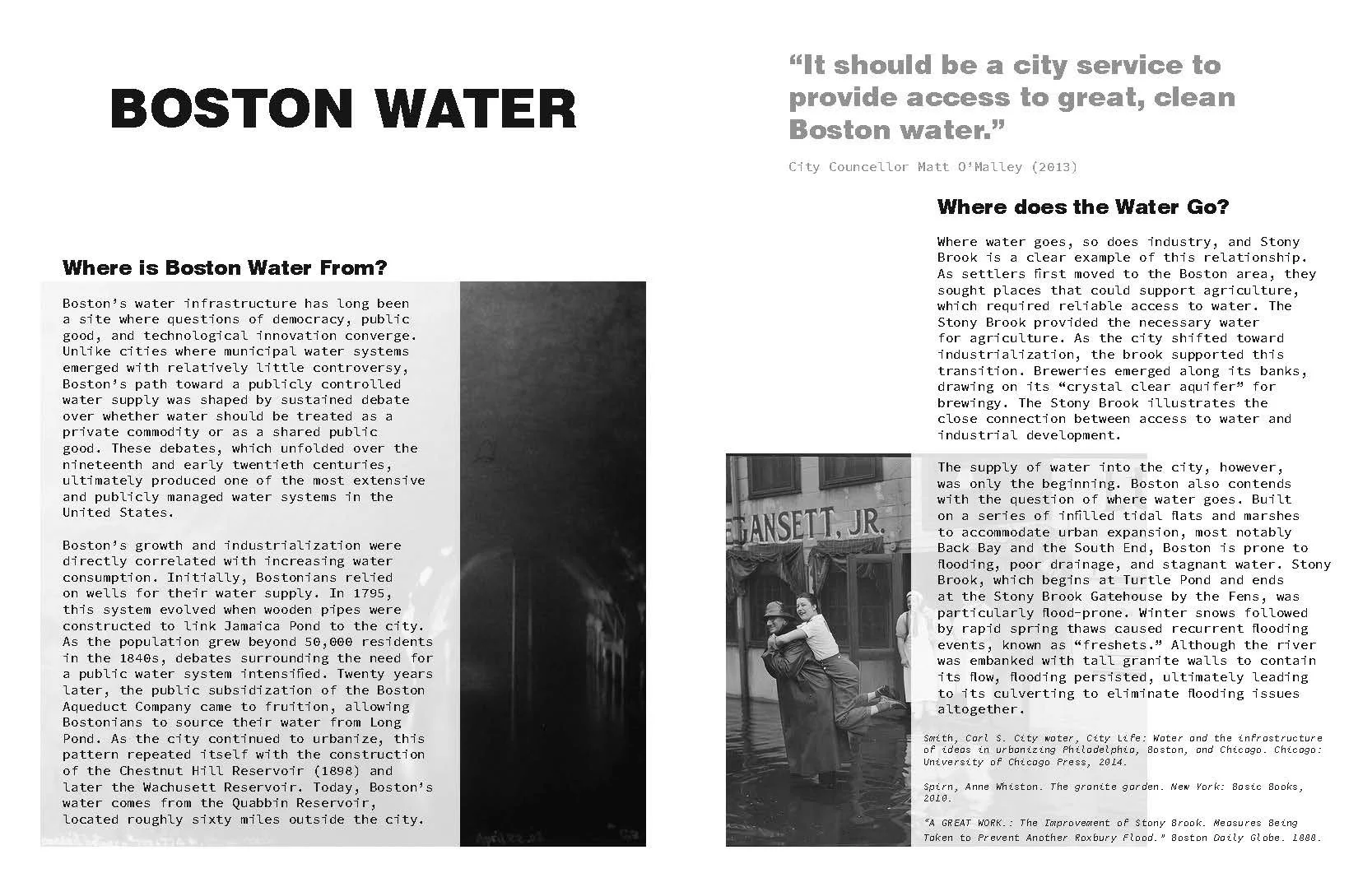
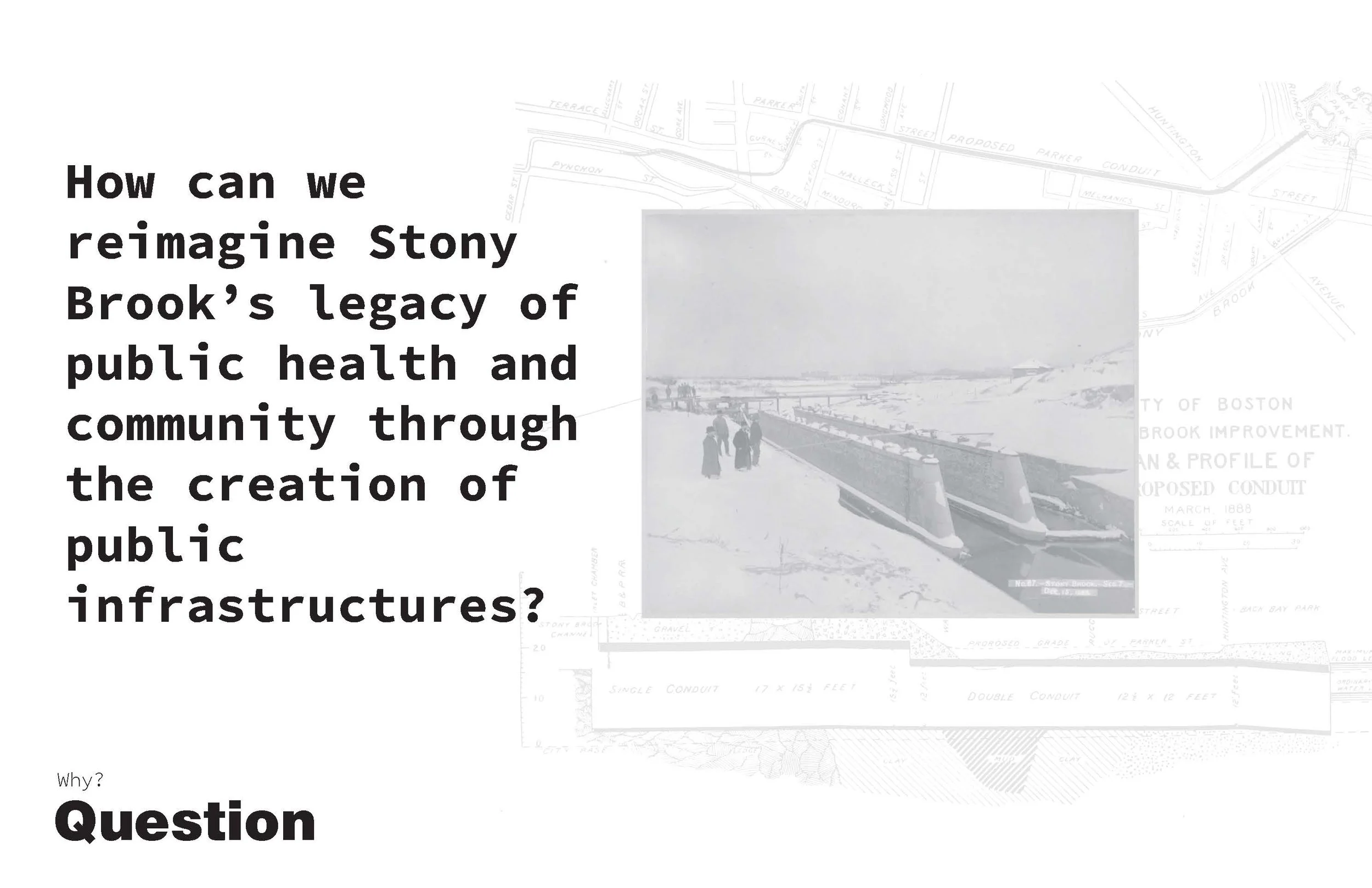
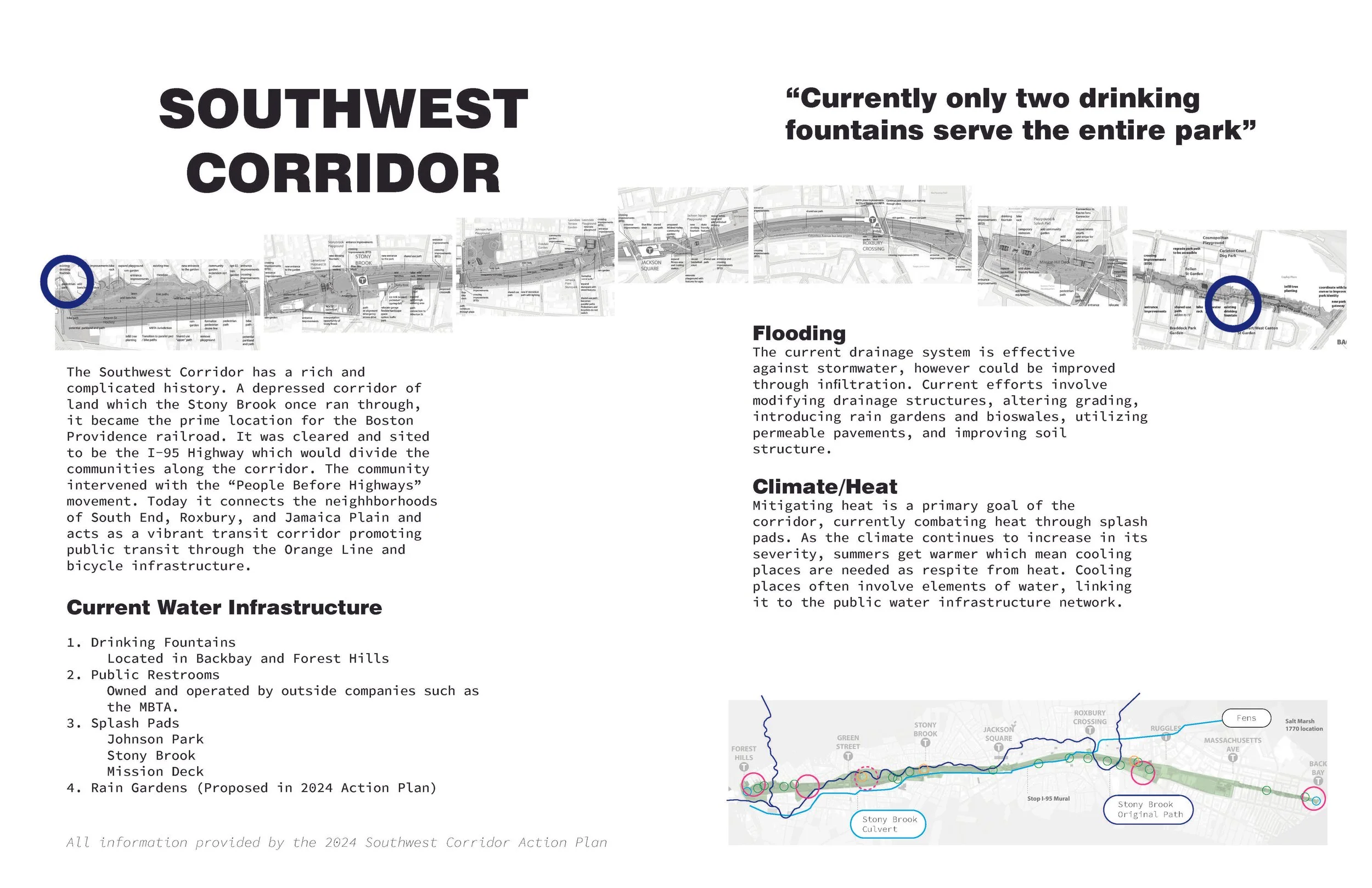
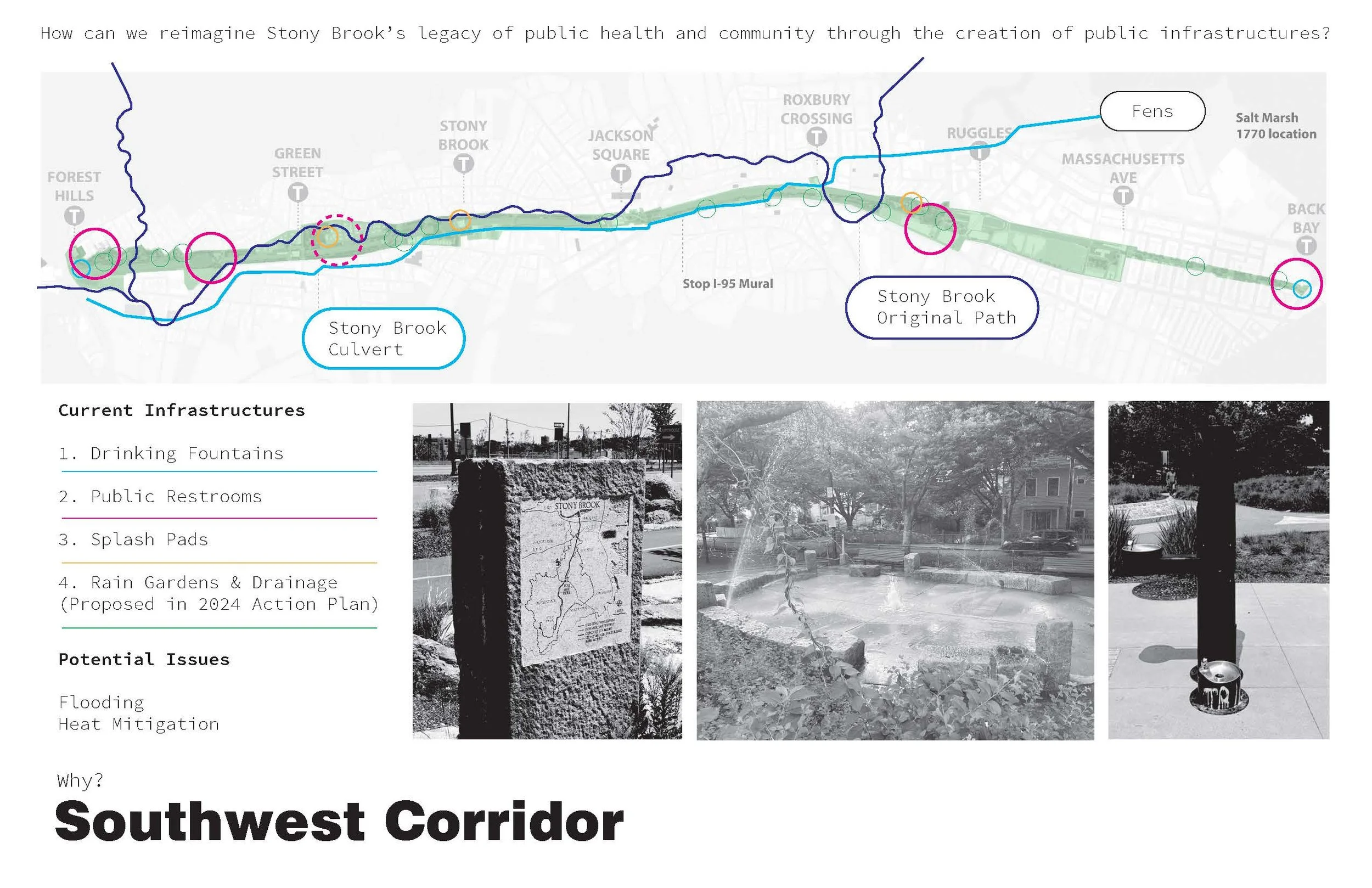
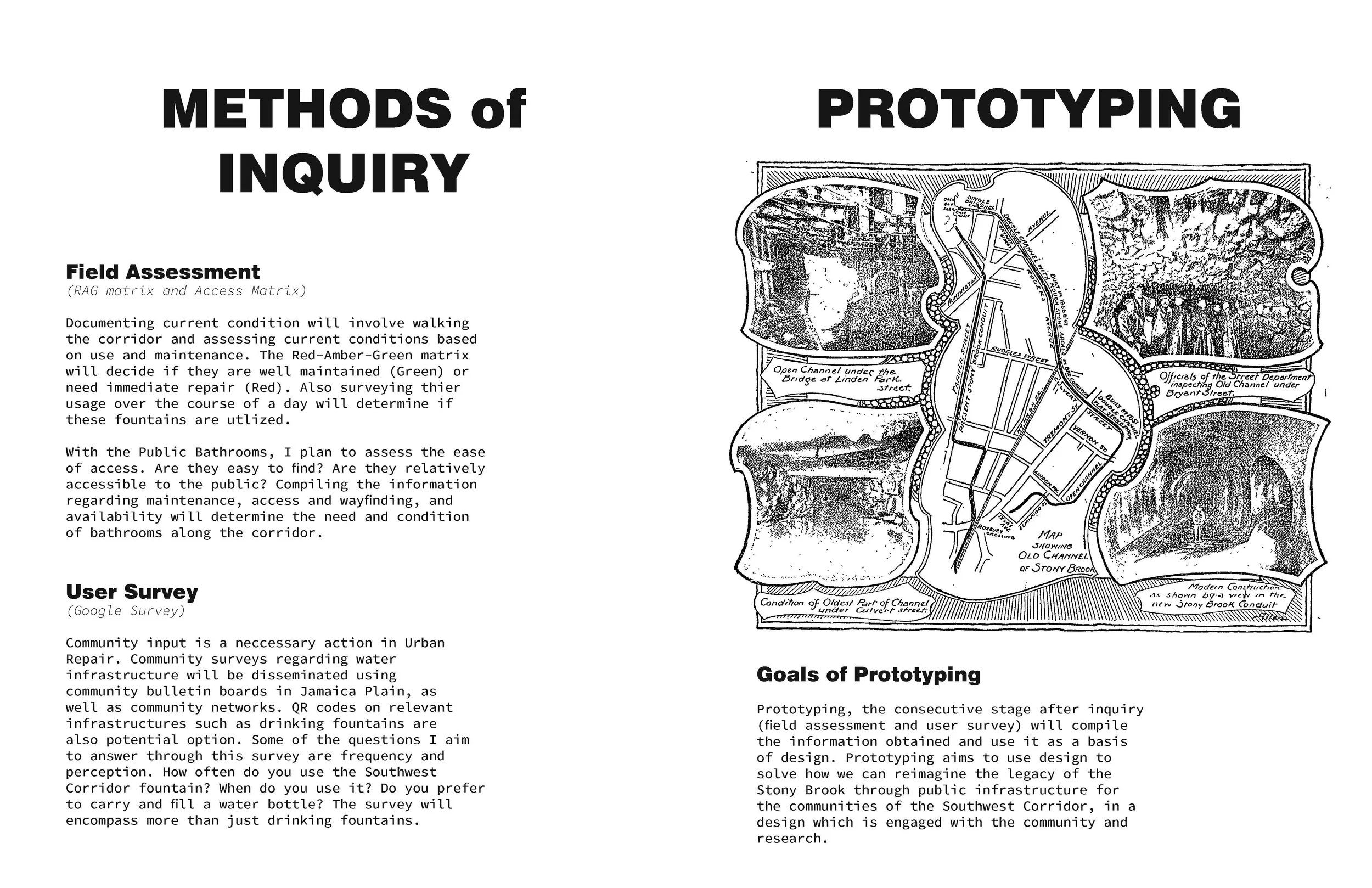
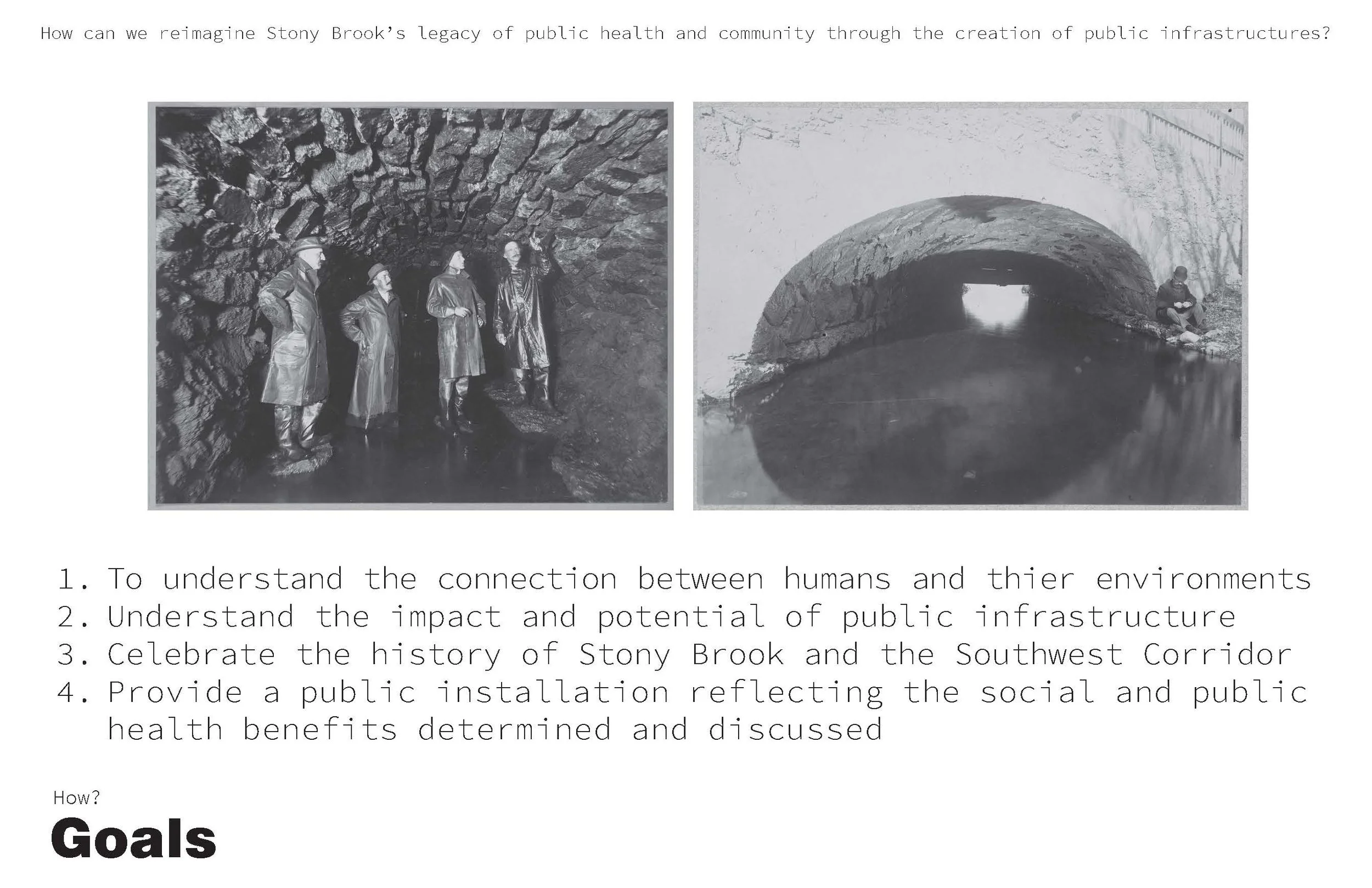
There is a direct correlation between access to water and the early development of cities. Name any major city, and you’ll find a body of water adjacent to it. Access to water provides essential functions, such as transportation, public health, economy, and community. However, whether these natural bodies of water thrive next to their urban counterparts is a different story. The history of Stony Brook reflects a familiar narrative seen throughout the world regarding the urbanization of natural environments. Two hundred years ago, the Stony Brook flowed freely through what are now Back Bay, the South End, Roxbury, and Jamaica Plain. As urban development intensified, the river was culverted to address flooding challenges, but in doing so, severed the everyday relationship to a living water system. Its current culvert can be traced by The Southwest Corridor; a linear, transit-oriented park shaped by layers of community activism, infrastructure, and change. As the landscape transformed and public access to water disappeared, what was lost?
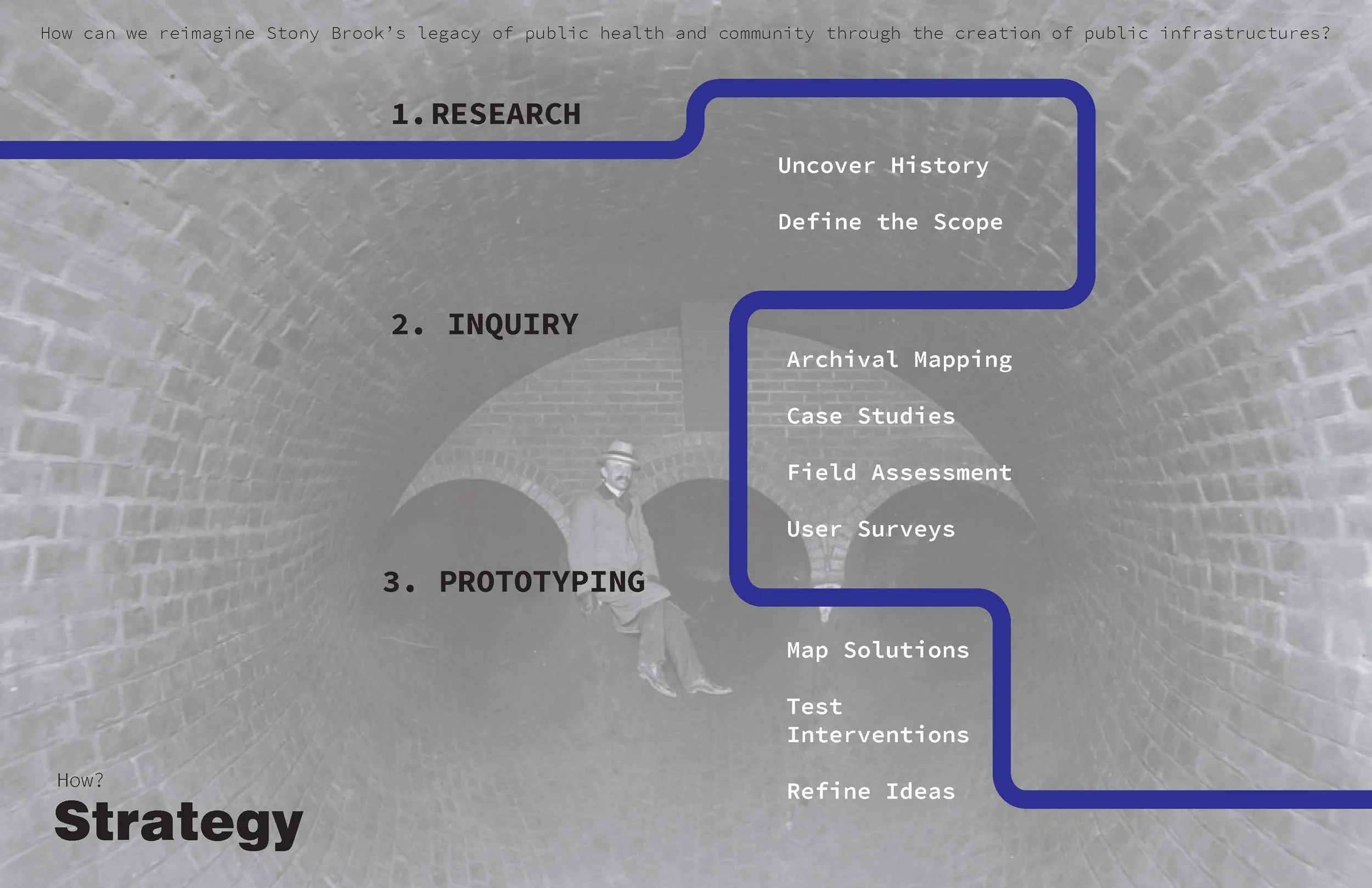
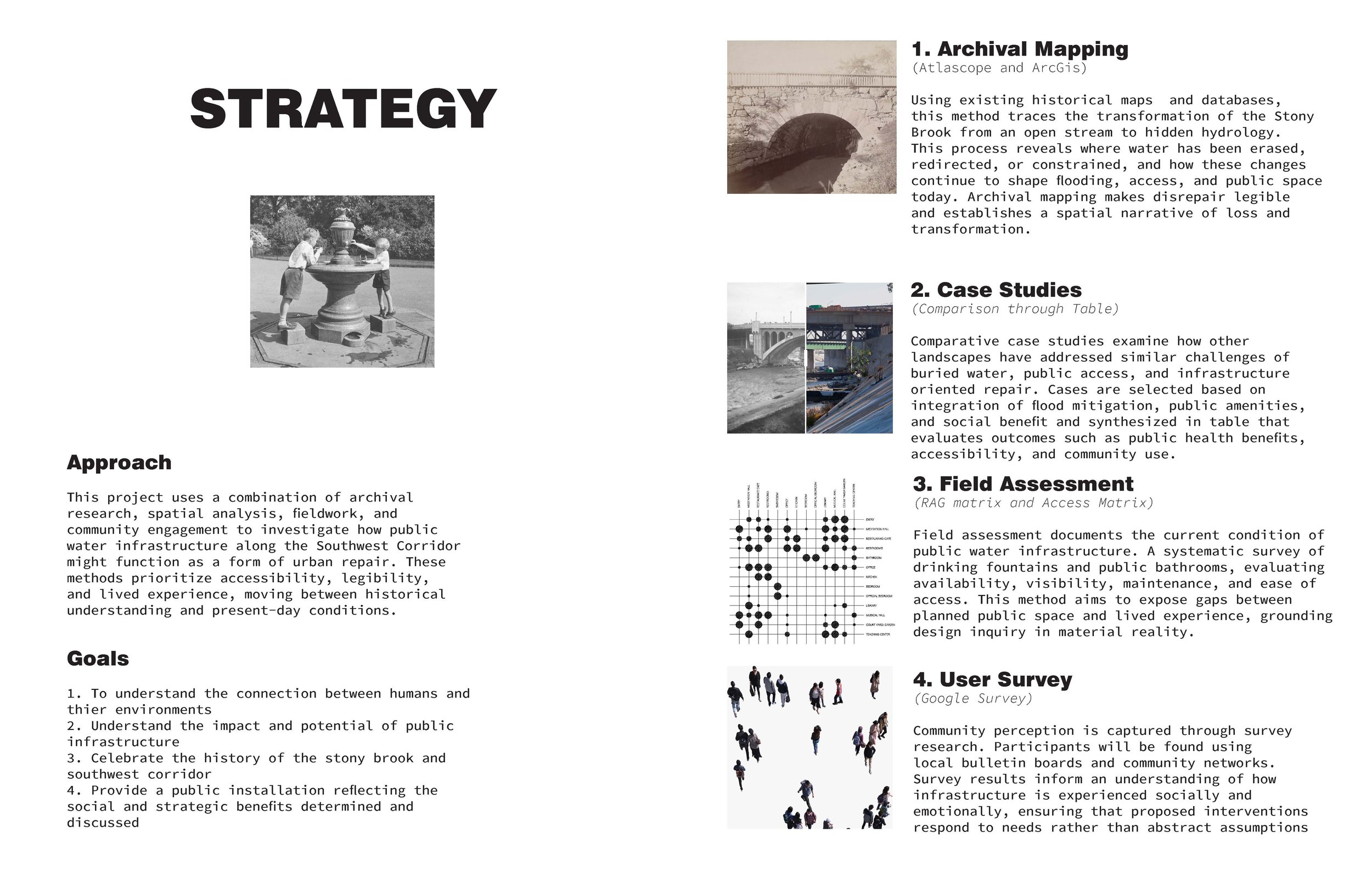
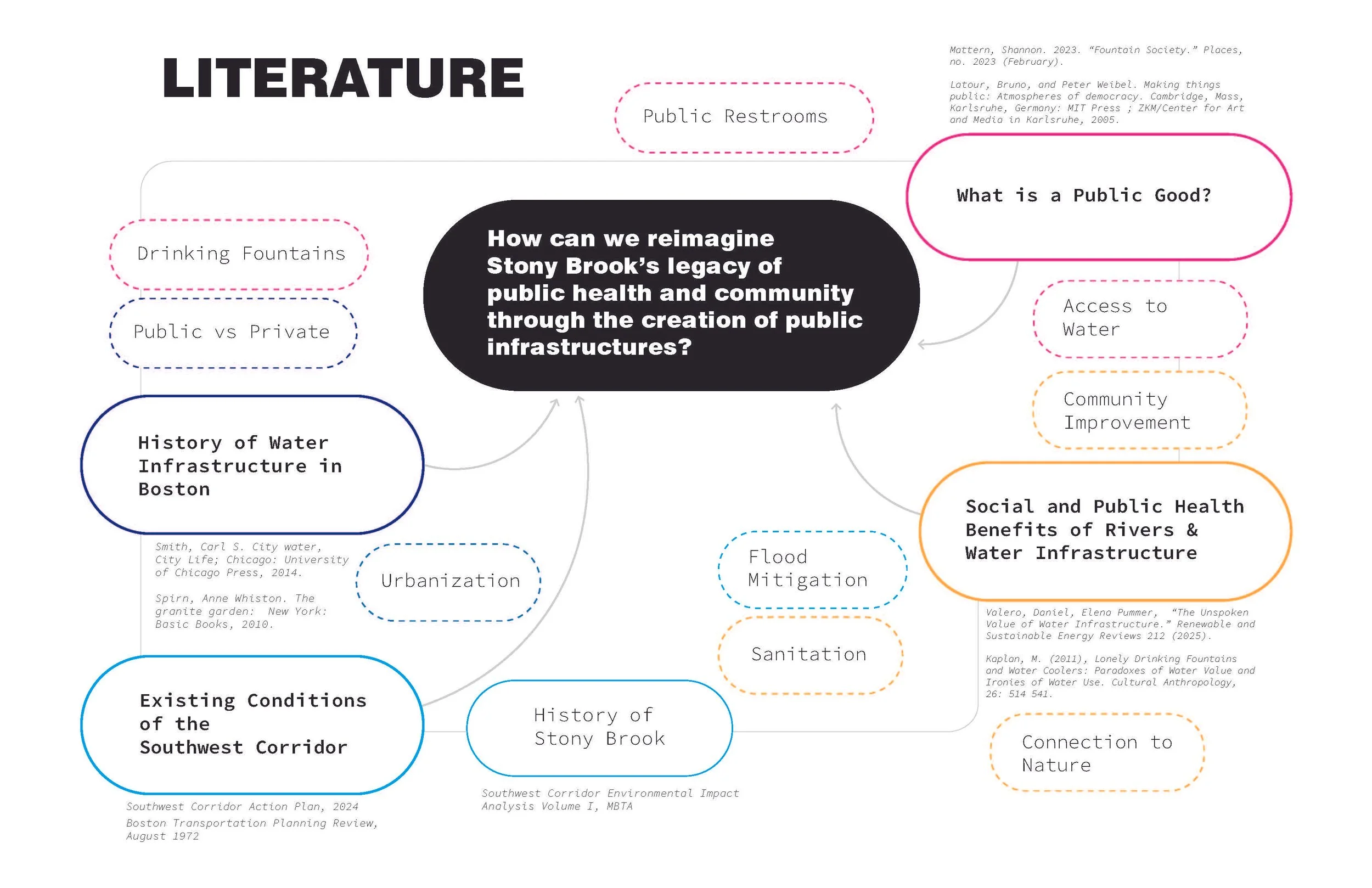
How can we reimagine its legacy of public health and community through the creation of public infrastructures?
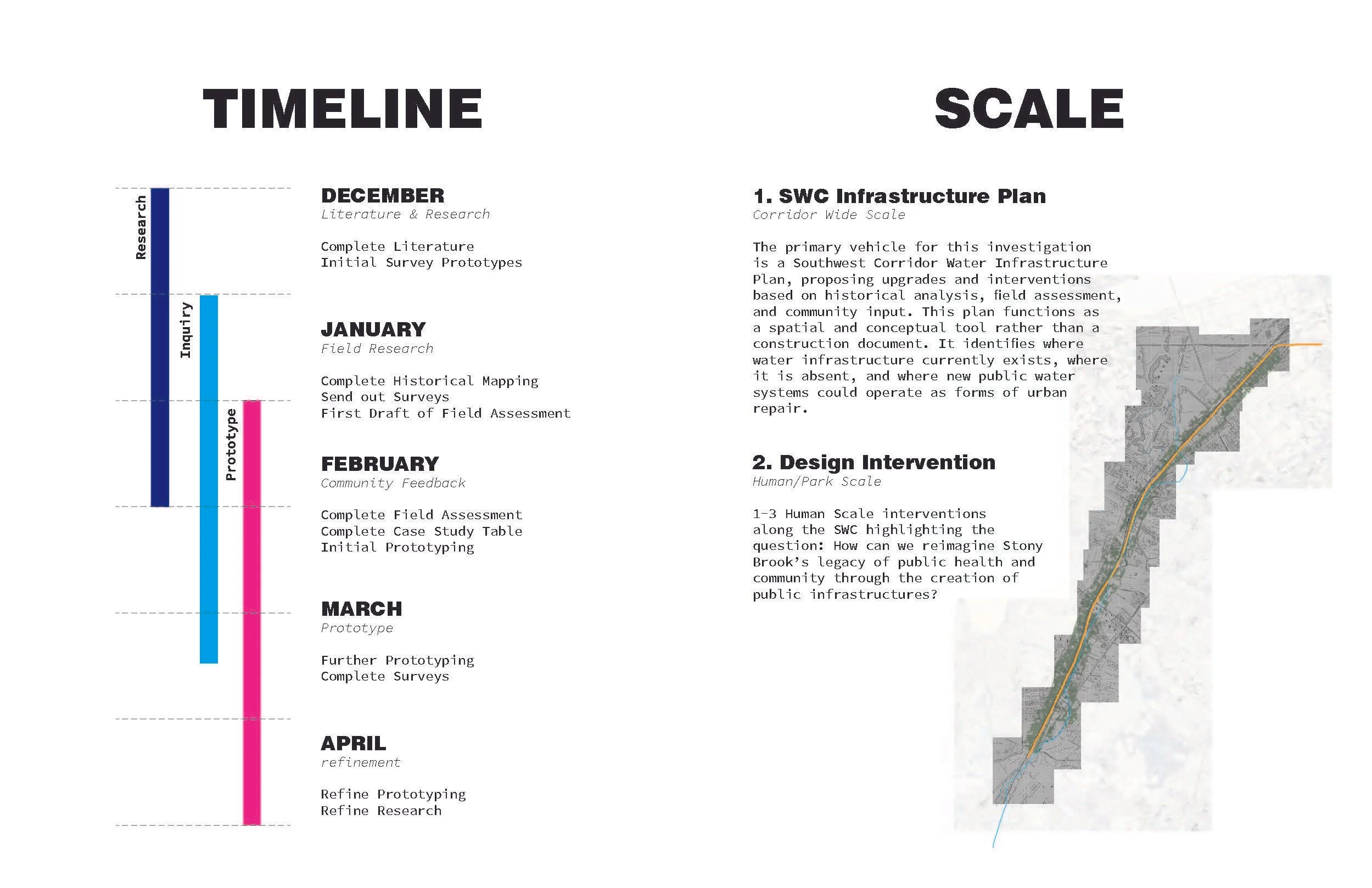
The outcome will be a speculative public installation situated within the Southwest Corridor that foregrounds water as civic infrastructure. Rather than restoring the river physically, the project restores its presence culturally and socially, using design as a tool for urban repair. By reframing public infrastructure as both functional and symbolic, this work demonstrates how hidden hydrologies can continue to shape healthier, more connected urban futures.
Swipe through to see the research proposal to reimagine the Stony Brook River through Public Water Infrastructure!